 delishing
How to Bake Classic Pumpkin Bread: A Comprehensive Guide

Introduction
Pumpkin bread is a quintessential fall treat, evoking the comforting aromas and flavors of the season. This guide focuses on mastering the classic pumpkin bread recipe, transforming humble ingredients into a moist, tender, and perfectly spiced loaf. The key to exceptional pumpkin bread lies in understanding the nuances of pumpkin puree, spice ratios, and baking techniques. This is more than just a recipe; it's a lesson in creating a seasonal staple.
Understanding Pumpkin Puree
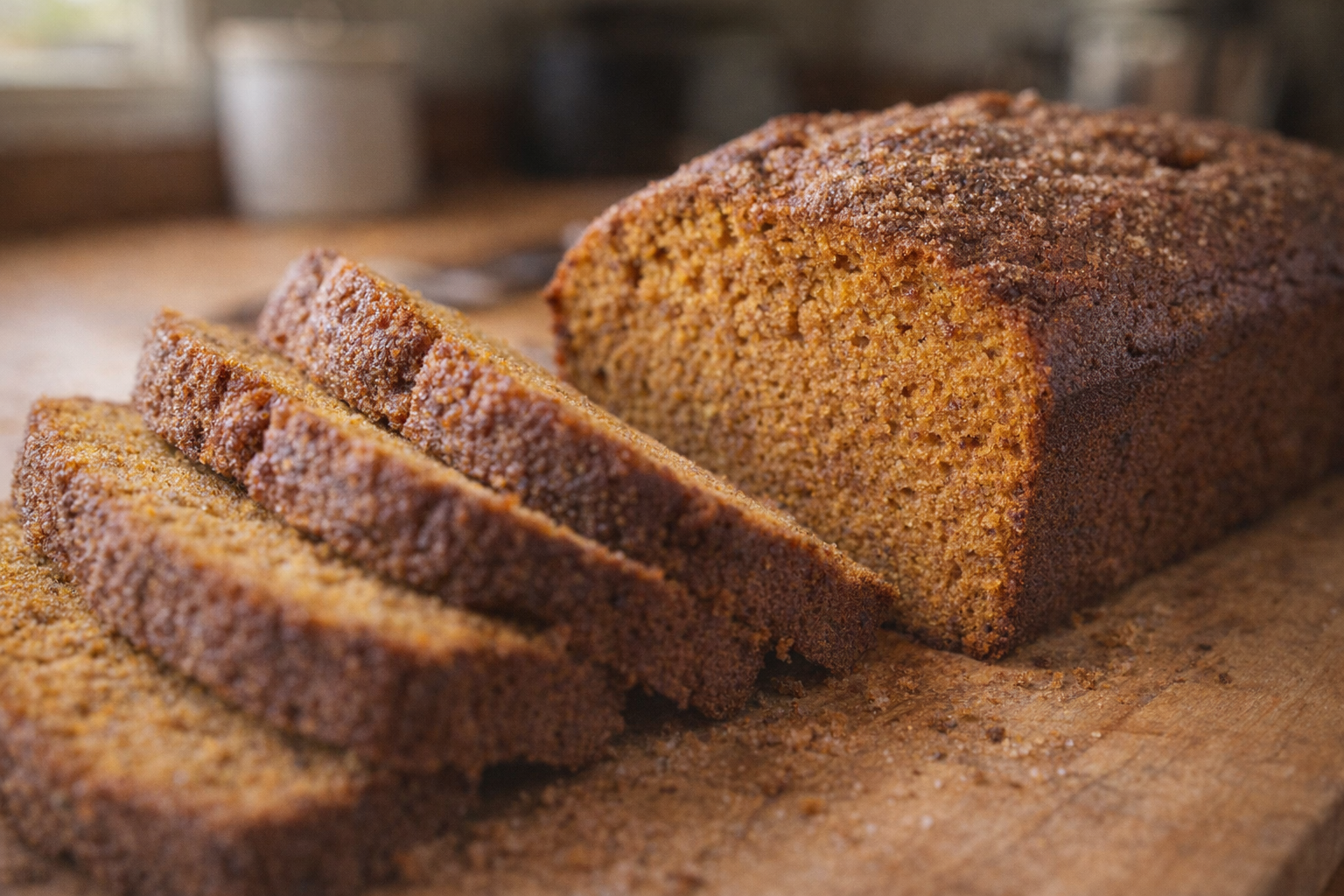
Pumpkin puree is the star of this bread. Not all purees are created equal. Look for 100% pumpkin puree, not pumpkin pie filling, which already contains spices and sweeteners. Canned puree is convenient and consistent, but homemade puree offers unparalleled flavor. Roasting a sugar pumpkin until tender and then pureeing the flesh yields a deeper, richer flavor. Different pumpkin varieties also impart unique flavor profiles. Experiment with varieties like Dickinson or Long Island Cheese pumpkin for interesting nuances.
Why Cook Pumpkin Bread This Way?
- Versatility: Pumpkin bread is adaptable. Enjoy it plain, toasted, or with a smear of cream cheese or butter.
- Flavor: The combination of pumpkin and warm spices like cinnamon, nutmeg, and cloves creates a uniquely comforting flavor profile.
- Convenience: As a quick bread, it requires no yeast and minimal rising time, making it a relatively quick and easy baking project.
Preparation (Mise en Place)
- Preheat: Preheat your oven to 350°F (175°C).
- Grease and Flour: Grease and flour a 9x5 inch loaf pan. Alternatively, line the pan with parchment paper, leaving an overhang for easy removal. We prefer greasing and flouring for a more evenly browned crust.
- Measure Ingredients: Accurately measure all ingredients before beginning. This ensures consistency and prevents mistakes.
- Soften Butter (Optional): If your recipe calls for softened butter, allow it to sit at room temperature for at least 30 minutes before starting.
Essential Tools
- 9x5 inch Loaf Pan: Essential for shaping the bread.
- Mixing Bowls: For combining wet and dry ingredients separately.
- Measuring Cups and Spoons: Accurate measurements are crucial for consistent results.
- Whisk: For combining dry ingredients.
- Rubber Spatula: For folding wet and dry ingredients together.
- Toothpick or Cake Tester: For checking doneness.
The Cooking Method
Classic Pumpkin Bread
Ingredients:
- 1 3/4 cups (220g) all-purpose flour
- 1 teaspoon baking soda
- 1/2 teaspoon baking powder
- 1 teaspoon ground cinnamon
- 1/2 teaspoon ground nutmeg
- 1/4 teaspoon ground cloves
- 1/2 teaspoon salt
- 1 1/2 cups (300g) granulated sugar
- 1/2 cup (120ml) vegetable oil
- 2 large eggs
- 1 cup (245g) pumpkin puree (100% pumpkin, not pie filling)
- 1/2 cup (120ml) water
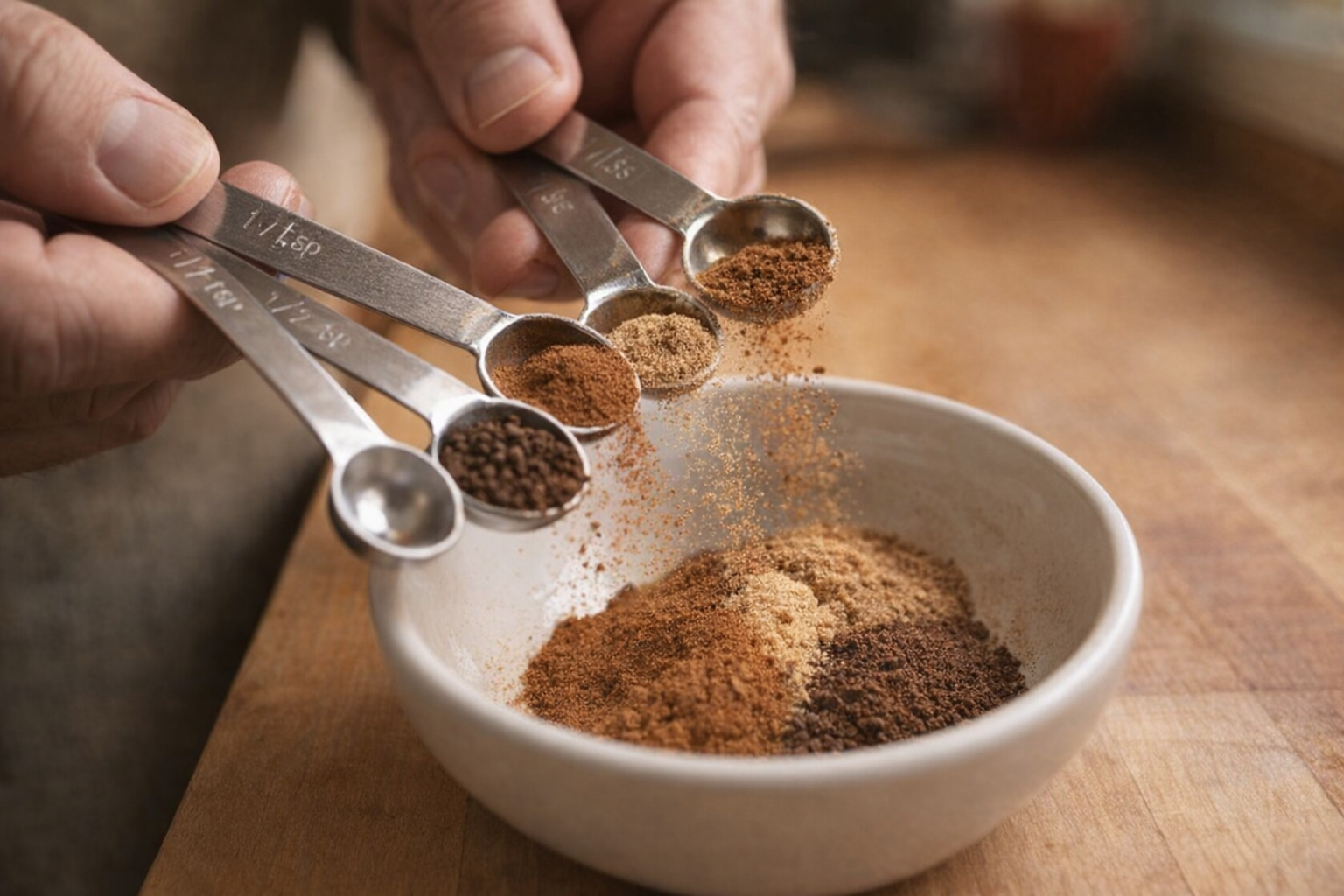
- Combine Dry Ingredients: In a large bowl, whisk together flour, baking soda, baking powder, cinnamon, nutmeg, cloves, and salt. The aroma of the spices will bloom as you whisk, releasing their essential oils.
- Combine Wet Ingredients: In a separate bowl, whisk together sugar, oil, and eggs until well combined. Gradually add the pumpkin puree and water, mixing until smooth. The batter should be a vibrant orange color.
- Combine Wet and Dry: Gradually add the dry ingredients to the wet ingredients, mixing until just combined. Be careful not to overmix, as this can lead to a tough bread. A few streaks of flour are okay.
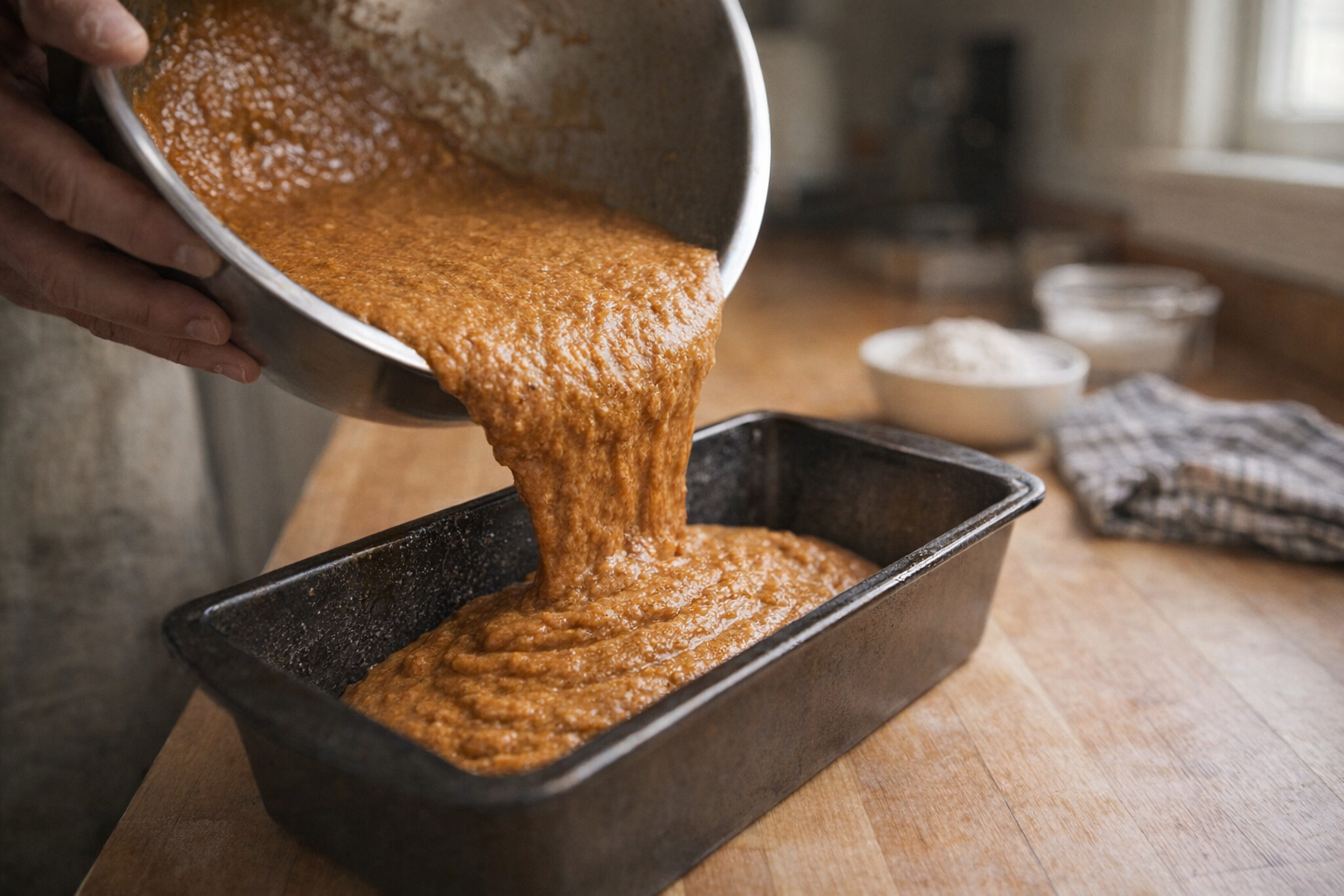
- Pour into Pan: Pour the batter into the prepared loaf pan, spreading evenly.
- Bake: Bake for 50-60 minutes, or until a toothpick inserted into the center comes out clean or with a few moist crumbs. The top of the bread should be golden brown and slightly cracked.
- Cool: Let the bread cool in the pan for 10 minutes before transferring it to a wire rack to cool completely. Slicing it while still warm can result in a gummy texture.
Cooking Time & Doneness Guide
- Bake Time: 50-60 minutes at 350°F (175°C).
- Internal Temperature: The ideal internal temperature is around 200-205°F (93-96°C).
Visual Cues
Look for a golden-brown crust and slight cracks on top. The bread should spring back slightly when gently pressed. If the crust is browning too quickly, tent the loaf pan with foil for the last 15 minutes of baking.
Tips for Perfection
- Don't Overmix: Overmixing develops gluten, resulting in a tough bread. Mix until just combined.
- Accurate Measurements: Baking is a science. Use measuring cups and spoons, not estimates.
- Fresh Spices: Use fresh spices for the best flavor. Replace spices every 6-12 months.
- Cool Completely: Allow the bread to cool completely before slicing to prevent a gummy texture.
Storage & Reheating
- Storage: Store pumpkin bread in an airtight container at room temperature for up to 3 days, or in the refrigerator for up to a week.
- Reheating: Reheat slices in the microwave for 15-20 seconds, or toast them in a toaster oven for a crispier texture.
Serving Suggestions
- Toasted with Butter: A simple yet satisfying way to enjoy pumpkin bread.
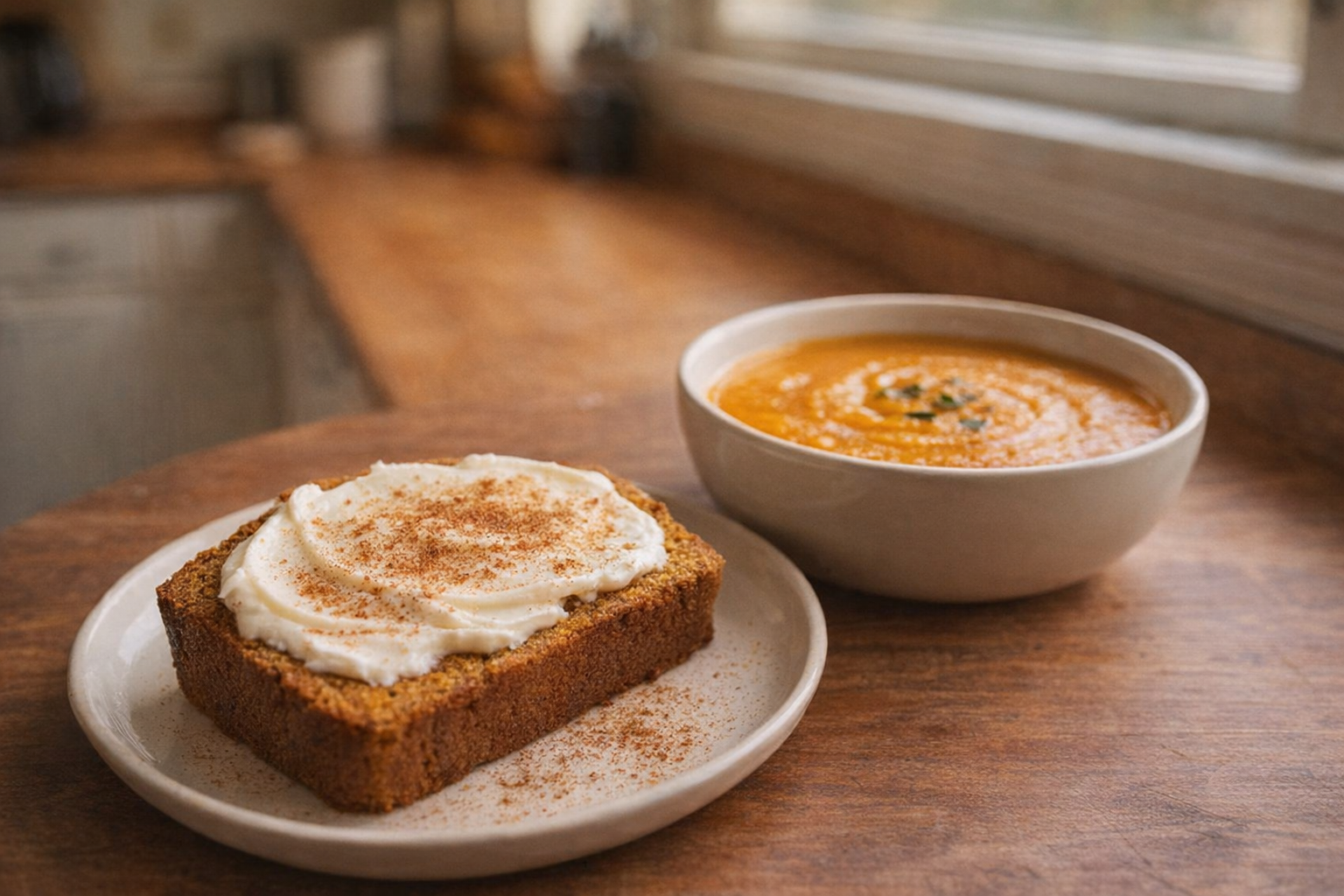
- Cream Cheese Spread: A classic pairing that complements the spices.
- Pumpkin Bread French Toast: Soak slices in an egg mixture and pan-fry for a decadent breakfast.
- Alongside Autumn Soups: Pairs well with butternut squash or apple cider soup.
💡 Pro Tips
- Use room temperature eggs for a smoother batter and better emulsion, leading to a more tender crumb.
- Gently tap the loaf pan on the counter before baking to release any trapped air bubbles in the batter.
- If you notice the top of the bread is browning too quickly, create a foil tent by loosely covering the loaf pan with aluminum foil during the last 15 minutes of baking.
- For a richer flavor, brown the butter before adding it to the wet ingredients. Be careful not to burn it!
- Consider adding chocolate chips, chopped nuts, or dried cranberries for extra texture and flavor.
Frequently Asked Questions
It's best to avoid pumpkin pie filling, as it already contains spices and sugar. Using it will alter the flavor and sweetness of your pumpkin bread, potentially making it too sweet and overpowering the other spices. Stick with 100% pumpkin puree for the best results.
While the specific combination of cinnamon, nutmeg, and cloves creates a classic pumpkin bread flavor, you can adjust based on what you have. If you're missing one, try increasing the amount of the others slightly. You can also add a pinch of allspice or ginger for a different flavor profile.
A sunken middle often indicates that the bread is underbaked. Ensure you bake it until a toothpick inserted into the center comes out clean or with a few moist crumbs. Ovens can vary, so start checking for doneness around 50 minutes and continue baking, if needed, until it's fully cooked. Avoid opening the oven frequently, as this can cause temperature fluctuations.
Yes, pumpkin bread freezes very well. Allow the bread to cool completely, then wrap it tightly in plastic wrap followed by aluminum foil, or place it in a freezer bag. It can be frozen for up to 2-3 months. Thaw it at room temperature before slicing and serving.